
Snaking vs. Hydro Jetting: Which Drain Cleaning Method Does Your Eugene Home Need?
Choosing the right drain cleaning method can mean the difference between a quick fix and a recurring headache, and Eugene homeowners often face a specific set of pipe conditions that make this choice especially important. Two of the most common professional approaches to clearing drains are snaking and hydro jetting. Each works differently, suits different problems, and fits different pipe types. This guide breaks down both methods so you can walk into your next service call informed.
What Is Drain Snaking and When Does It Work?
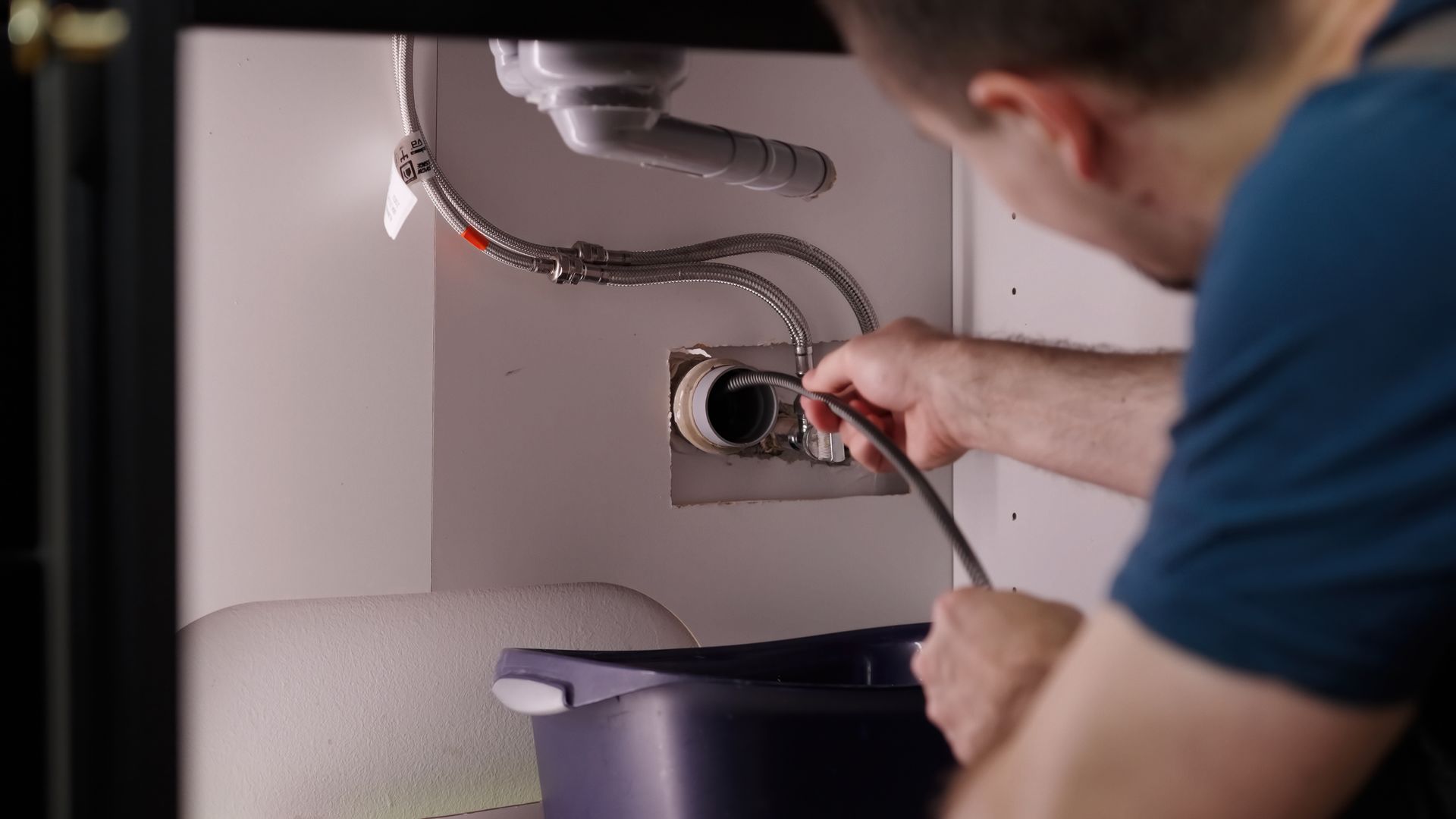
Drain snaking is a targeted method for clearing simple, localized clogs. A plumber feeds a long, flexible metal cable into the drain. The cable has a rotating auger tip that breaks apart or hooks onto the blockage so it can be pulled out or pushed through.
Snaking works well for common household clogs like hair, soap buildup, or a single wad of debris stuck in a kitchen or bathroom drain. It is also the go-to approach when the blockage is close to the drain opening rather than deep in the line. Most standard residential clogs respond well to a snake.
One thing to keep in mind: snaking punches a hole through the clog. It does not fully clean the pipe walls. Grease, minerals, and biofilm can still cling to the inside of the pipe after a snaking job. That means clogs may come back sooner than expected if the pipe walls are coated.
What Is Hydro Jetting and When Is It the Better Choice?
Hydro jetting is a method that uses a high-pressure stream of water to thoroughly scour the inside of a drain or sewer line. A specialized nozzle blasts water in multiple directions, stripping buildup from pipe walls and flushing debris out of the system entirely.
This method goes well beyond clearing a single clog. It restores the pipe closer to its original diameter by removing grease layers, mineral scale, and sediment that have built up over time. For drain cleaning in Eugene, OR, hydro jetting is often recommended for lines that clog repeatedly or for homes where grease-heavy kitchen waste is the main culprit.
Hydro jetting may also be used to clear tree root intrusion in early stages, though heavily rooted lines often need a camera inspection and additional repair first.
Eugene Homes and Pipe Age Matter
Eugene's housing stock skews older, with many properties built from the 1950s through the 1980s. Pipes in those homes may include cast iron, clay tile, galvanized steel, or Orangeburg. These materials degrade over time and can crack, corrode from the inside, or become fragile.
That matters because hydro jetting involves high water pressure. On a sound, newer PVC or ABS drain line, that pressure is no problem. On a brittle clay or deteriorated Orangeburg pipe, it could cause damage. A camera inspection before hydro jetting can help a plumber confirm the pipe is in good enough condition to handle the pressure safely.
Snaking is generally gentler and often the safer starting point for older pipe materials until the line's condition is confirmed.
Eugene's wet climate and mature tree canopy also contribute to root intrusion in sewer laterals, particularly in neighborhoods like Friendly Area, South Hills, and Bethel where older landscaping is common. Root problems often need a combination of snaking or cutting, camera inspection, and in some cases hydro jetting to fully address.
A Simple Decision Framework
Not sure which method fits your situation? Use these questions to guide the conversation with your plumber.
Start with snaking if:
- The clog is a one-time event in a sink, tub, or toilet.
- Your home has older pipes with unknown condition.
- The blockage is near the drain opening.
- You need a fast, affordable first step.
Consider hydro jetting if:
- The same drain clogs repeatedly.
- You have slow drains throughout the house, not just in one spot.
- Kitchen lines have years of grease accumulation.
- A camera inspection confirmed the pipe walls are sound.
- You want a more thorough clean before a home sale or after a sewer scope.
Does Pipe Material Affect Which Method a Plumber Will Recommend?
Yes, pipe material is one of the most important factors in choosing a drain cleaning method. Older materials like clay, cast iron, and Orangeburg can be more fragile, so a plumber may recommend snaking first and a camera inspection before deciding whether hydro jetting is appropriate. Newer PVC and ABS pipes handle jetting pressure well.
Can Hydro Jetting Remove Tree Roots?
Hydro jetting can flush out small roots and debris after roots have been cut, but it is typically not used as a standalone root-removal tool. A plumber will usually use a root-cutting attachment on a snake or auger first, confirm the pipe condition with a camera, and then may recommend hydro jetting to clean the line.
Get Expert Help With Your Drains in Eugene
When slow drains or repeat clogs are disrupting your household, the team at Baxter Plumbing & Rooter, Inc. can assess the right way to clear your drains for your specific pipes, clog type, and home's age. Serving Eugene, OR, and the surrounding Lane County area, Baxter Plumbing & Rooter, Inc. offers both drain snaking and hydro jetting as part of a full range of drain cleaning services. Whether you need a quick fix or a thorough pipe cleaning, the right method starts with the right diagnosis.
Call (541) 334-6696 to schedule service, or contact the team online to request a quote. You can also find Baxter Plumbing & Rooter, Inc. on Google to read customer reviews and get directions.
Recent Posts